



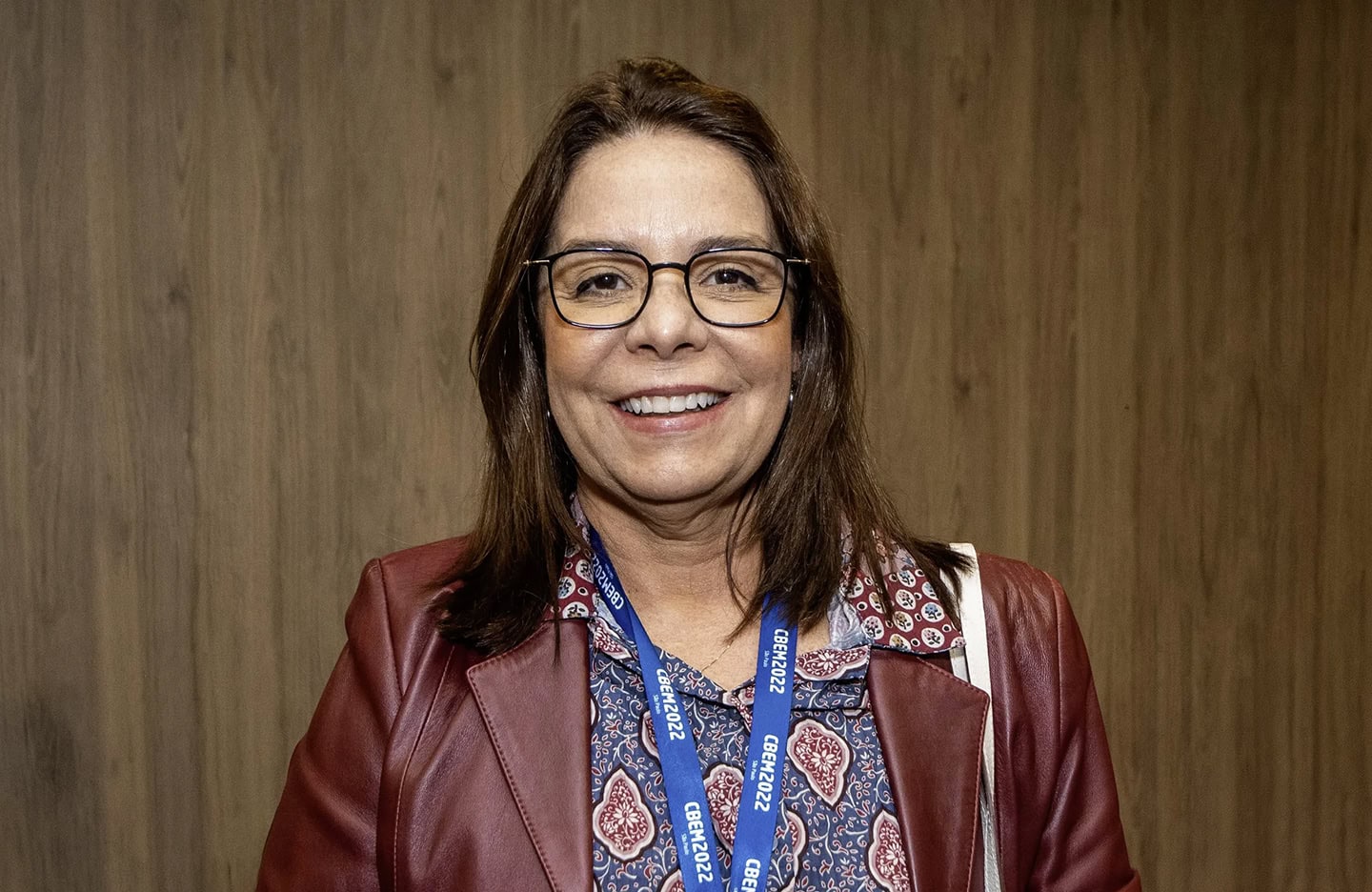
Scientist Denise Pires de Carvalho will assume the position of Deputy Director-General for Science at the United Nations Educational, Scientific, and Cultural Organization (UNESCO) in the coming days. This marks the first time Brazil has held this position since the UN’s founding in 1945.
In making the announcement, UNESCO highlighted the scientist’s experience in leadership and management of research, and in the evaluation of research programs and international scientific cooperation, and stated that her work “has addressed the social dimensions of science, including equitable access, gender equality, and inclusive institutional governance.”
Currently president of CAPES – the Ministry of Education’s foundation tasked with expanding, regulating, and evaluating master’s and doctoral programs across Brazil – Carvalho states that she arrives at UNESCO with the same perspective that Brazil has held toward science in recent years, emphasizing multilateralism and people-centered science.
“Over the past three years, what Brazil has done – and what CAPES has done – is to promote South-South collaboration at the graduate level and to increasingly internationalize the country’s graduate programs, engaging with Latin America and the Caribbean, as well as with African countries, in addition to all the cooperation we were already undertaking,” she declared.
Carvalho also highlighted the role of science in the development of countries, especially the poorest ones. She argues that there is no way for Brazil to become a developed country other than through science.
“Those who reject science reject the nation’s development. There is no independent country without universities. There is no independent country without science. And Brazil began this process of true independence far too late. All the most developed countries in the world are more developed because they have invested in science,” she said.
UNESCO’s Directorate-General for Science is responsible for promoting international scientific cooperation and implementing UN programs in the areas of Natural Sciences and Social and Human Sciences, including recommendations on the ethics of artificial intelligence.
Recognition of Brazil
The Brazilian Ministry of Foreign Relations celebrated the nomination and expressed confidence that the scientist’s work “will contribute to strengthening the sciences and their role in promoting peace, equity, sustainability, and human development.”
Profile
Denise Pires de Carvalho is a physician with a master’s degree and a Ph.D. from the Federal University of Rio de Janeiro (UFRJ), where she is also a full professor in the Department of Biophysics. In 2019, she became the first woman to serve as president of UFRJ.
She also served as secretary of higher education at the Ministry of Education from 2023 to 2024. In February 2024, she assumed the presidency of CAPES. She currently also chairs the Scientific Council of France’s Institut de Recherche pour le Développement (IRD) and participates in regional and global academic and scientific cooperation networks.
Source: Agência Brasil