



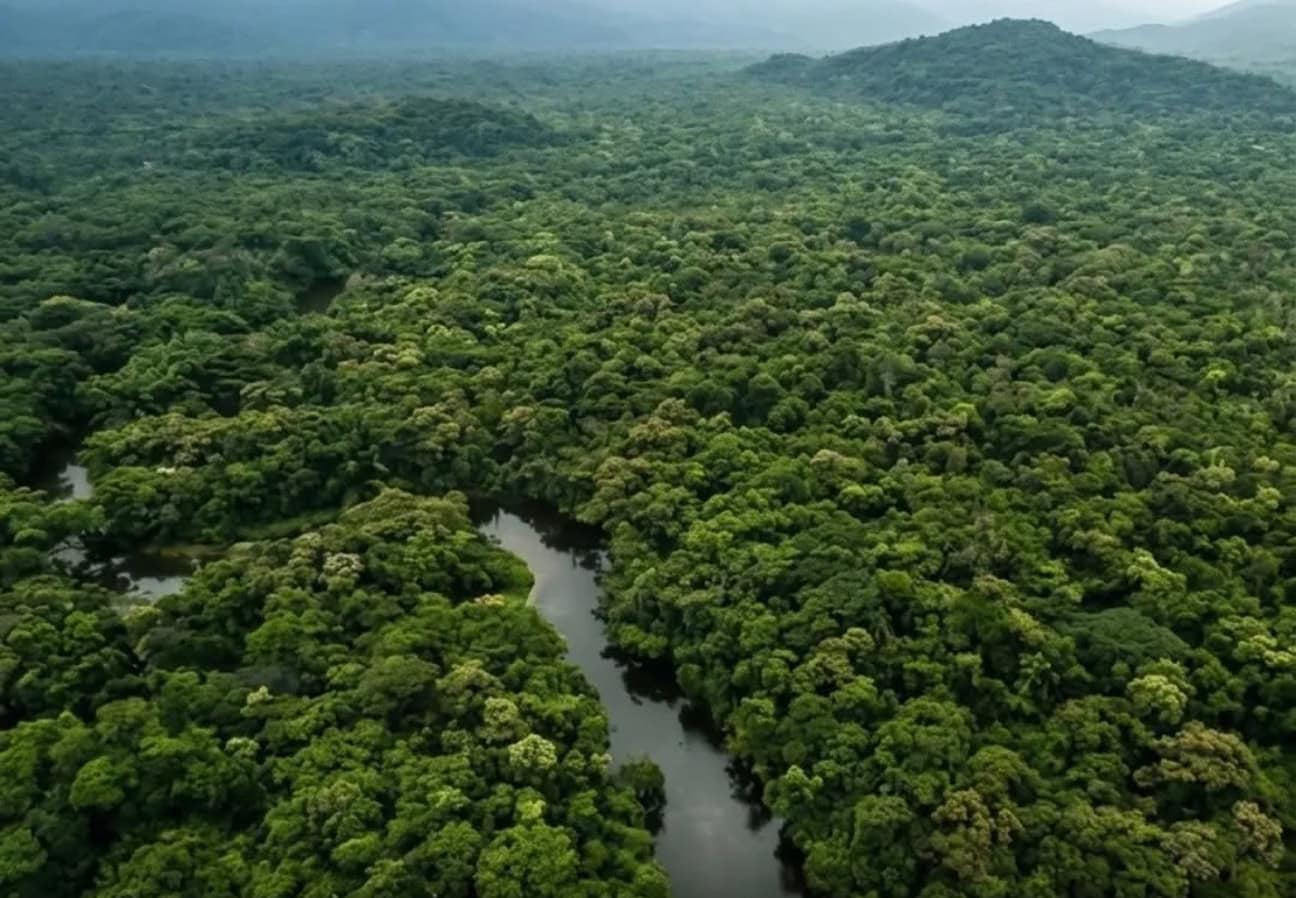
A study that analyzed 15 years of measurements of carbon dioxide (CO₂) and carbon monoxide (CO) fluxes in the Amazon, found that emissions are primarily caused by human activities, such as deforestation and wildfires.
Led by scientist Luciana Gatti of the National Institute for Space Research (INPE), the study classified data collected from 2010 to 2024 into three distinct groups based on weather conditions, the intensity of human activities, and the emissions measured each year.
Methodology
By grouping together years with common characteristics, the researchers identified the following groups:
• Group 1 (2011–2014, 2017, and 2018) — wetter years with low levels of human activity, such as deforestation, wildfires, and land degradation.
• Group 2 (2019–2022) – years with low climate stress in which human activities intensified, particularly deforestation and land degradation.
• Group 3 (2010, 2015, 2016, 2023, and 2024) – hot, dry years with high climate stress and intensified human activities.
Across these groups, the average annual carbon emissions were 408 million metric tons, 1.58 billion metric tons, and 1.80 billion metric tons of CO₂ per year, respectively.
In practice, the specialists have demonstrated that in years with the highest levels of human activity – such as deforestation and wildfires in the Amazon – carbon emissions were higher.
“It is important to note that groups 2 and 3 do not differ significantly in terms of carbon emissions, as both are dominated by deforestation and biomass burning respectively,” the study notes.
The data also showed that although climate stress is not a decisive factor in the increase in emissions, droughts can amplify the amount of carbon released by human activities.
Climate change
By expanding their analysis of 46 years of data on climate conditions and human activity, the researchers identified an eight percent decrease in average annual precipitation. A 20 percent decrease was also observed in the maximum rainfall volume during the dry season, from August through November.
Over the 46-year period, the annual average temperature rose by 1.13°C; during the dry season, the increase was 1.81°C. The temperature rise occurred even though the amount of solar energy received and reflected back into the atmosphere remained constant over the years measured, indicating that direct human activities pose the greatest risks to the Amazon.
“A drastic reduction in fires is therefore essential to avoid a tipping point, especially since increased climate stress amplifies human impacts – and vice versa,” the researchers note.
The study, co-authored by 32 other researchers, was published in the scientific journal Nature under the title Amazon Carbon Emissions Driven by Human Actions Amplified by Droughts. This is the fourth research paper led by Luciana Gatti to be published in this international journal.
Source: Agência Brasil