



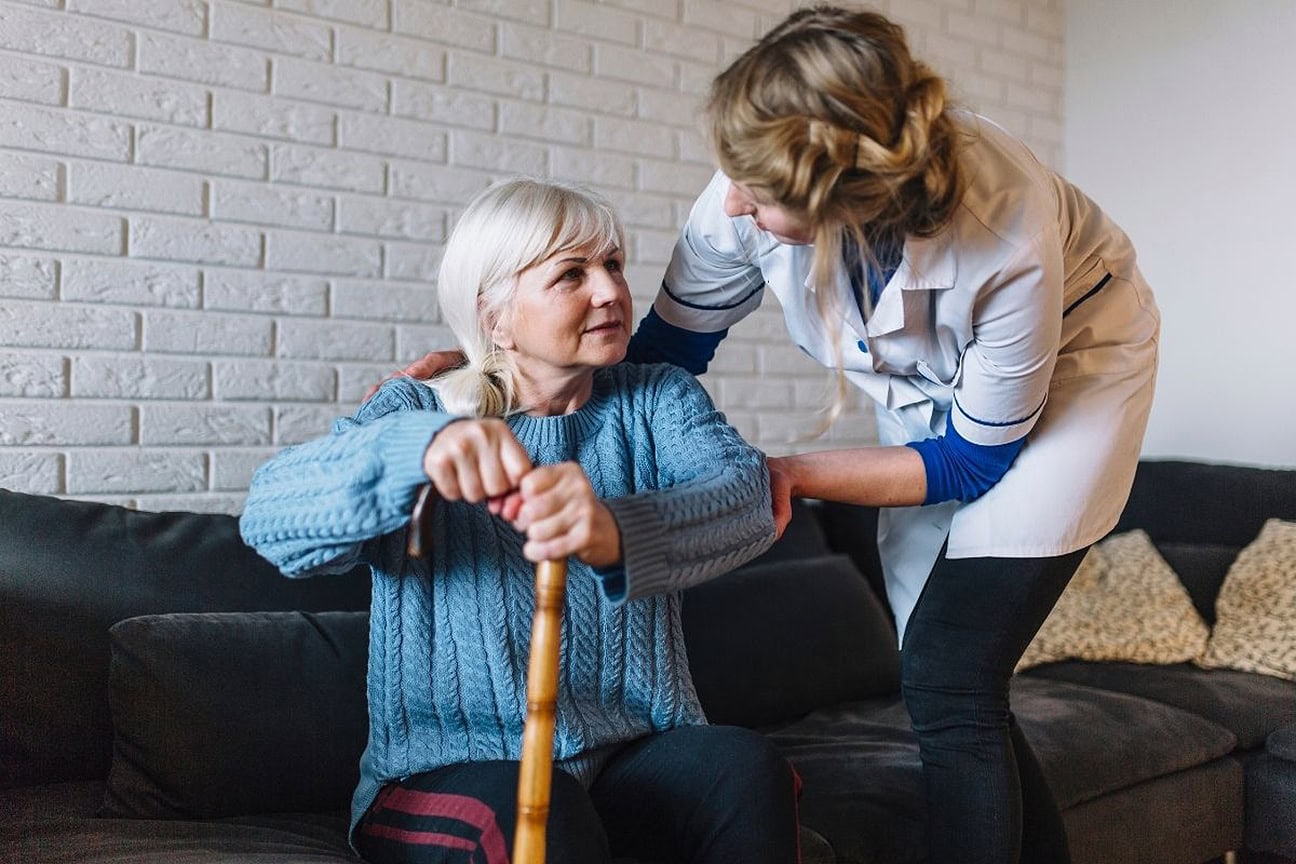
The aging of the Brazilian population is already beginning to alter the profile of businesses in the country and open new avenues for entrepreneurship. Between 2020 and 2025, the number of micro and small businesses focused on supporting and assisting the elderly and patients at home grew by 74%, according to a survey by the Brazilian Micro and Small Business Support Service (Sebrae) based on data from the Brazilian Federal Revenue Service. In 2025 alone, 57,200 new CNPJs (Brazilian taxpayer identification numbers) were opened in this sector.
This growth reflects the ongoing demographic transformation in the country. Data from the Brazilian Institute of Geography and Statistics (IBGE), released in the 2022 Demographic Census, shows that the population over 65 years of age increased by 57% in 12 years. Currently, Brazil has more than 33 million senior citizens. In practice, a task that traditionally fell under the responsibility of families has become a structured economic sector, generating income, professionalization, and expanding specialized services.
The change has also stimulated new business models. The sons of caregivers, entrepreneurs Edmilson Santos and Kelvin Carvalho, decided to transform their family experience into a business and created Cuid, a platform that connects professionals with families who need home care. The system uses geolocation to indicate nearby caregivers and allows clients to view profiles, experience, and reviews of professionals, as well as facilitating the hiring process.
According to Edmilson, co-founder of the startup, 2025 was the year of the company’s greatest expansion. “We tripled our revenue compared to 2024. We also evolved our business model and invested in technology and quality.” Currently, the company operates in 24 Brazilian states and plans to expand its presence in the country.
The entrepreneur also states that the support from Sebrae was crucial in structuring the operation. “We went from an intuitive operation to a more organized model, with clear goals and preparation for accelerated growth.”
The sector’s growth trend is not limited to Brazil. According to the World Health Organization (WHO), the number of elderly people in the world is expected to double by 2050. For Gilvany Isaac, national manager of Senior Entrepreneurship 60+ at Sebrae, the market still has great potential for expansion. “The accelerated aging creates a favorable scenario for those who want to undertake professional ventures. It’s a market that should expand for decades, but it requires preparation.”
According to the expert, four factors are considered fundamental for those who intend to open or consolidate a business in the caregiver field. The first is the continuous qualification of professionals, since families seek security and technical preparation. Investments in caregiver courses, first aid, chronic diseases, and basic gerontology increase confidence and service quality.
Another key point is the personalization of care. Elderly care involves building a bond, empathy, and adapting to the physical, emotional, and cognitive needs of each patient, making the humanization of the service a competitive advantage in the sector.
Regularizing the business is also considered essential. Complying with legal requirements, obtaining licenses and permits, respecting health regulations, and fulfilling labor responsibilities strengthens the credibility of companies and ensures greater stability in the market.
Finally, the use of technology has become a strategic element for companies in this segment. Digital tools allow for greater transparency and increase the value perceived by customers, with resources such as applications for activity logging, service reports, and remote monitoring systems.
Source: brasil247.com