



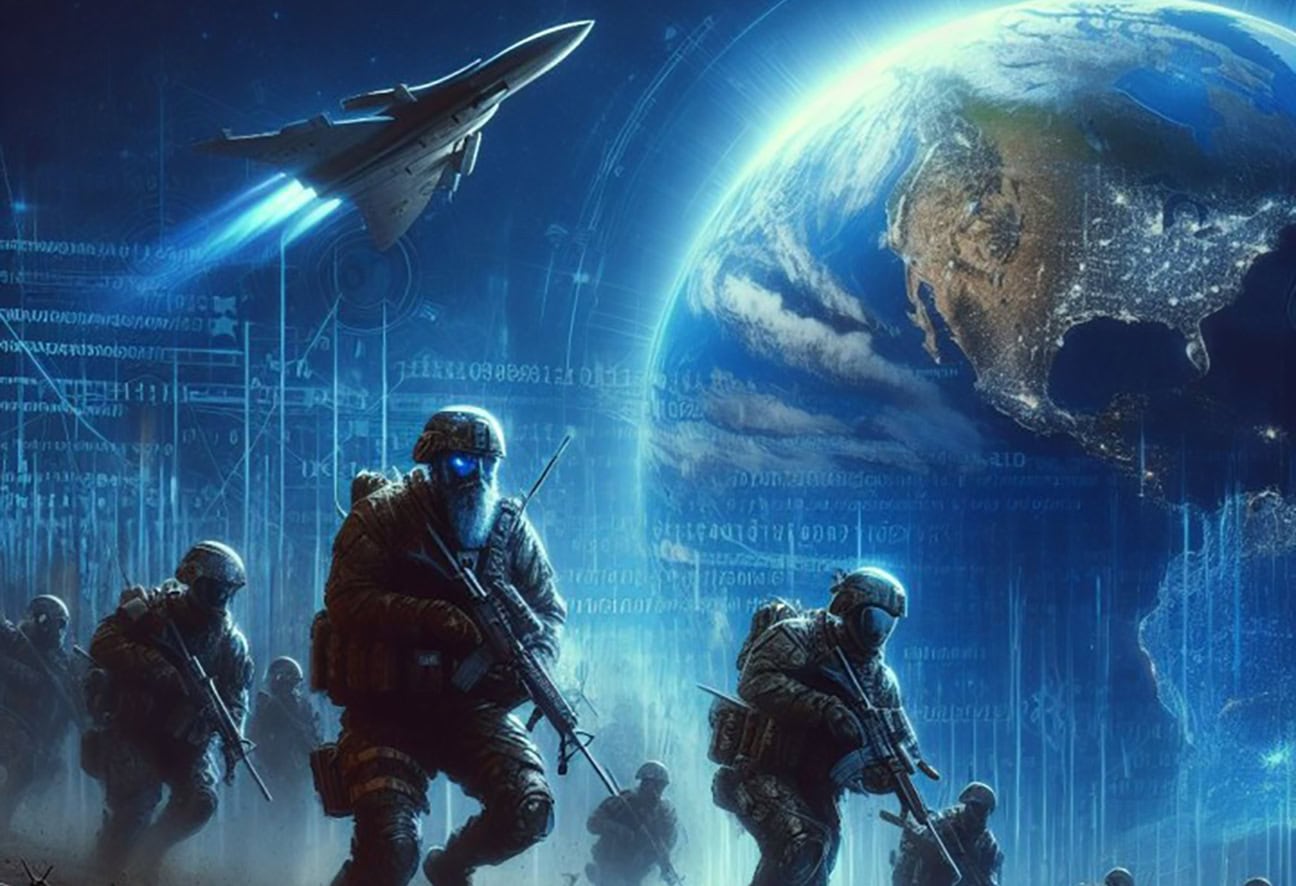
Rising Tensions Around the Globe
Geopolitical flashpoints are intensifying. The war in Ukraine continues to evolve, with NATO and Russia locked in a high-stakes standoff. In the Middle East, tensions between Israel and Ira combined with U.S. military posturing, have escalated to their highest levels in decades. In Gaza the world has watched as a blockade on food, aid and medical supplies, in defiance of binding orders by the international court of justice (ICJ), has now entered into its third month.
These conflicts, while localized, have the potential to spill over, drawing in major powers and forming alliances reminiscent of the tangled treaties that preceded World War I.
“While we are not currently in a world war, we are in what you might call a ‘pre-war environment,’ where alliances, provocations, and miscalculations could lead to rapid escalation,” says Dr. Elena Hartmann, an international relations expert at the Stockholm Peace Institute.
Some, Ukraine’s President Volodymyr Zelenskyy among them, believe that the Third World War “may have already started”. Last November, Ukraine’s former military commander-in-chief, Valery Zaluzhny, pointed to the “direct involvement of Russia’s autocratic allies” on the ground in Ukraine, including North Korean soldiers deployed alongside Russian troops and the use of Chinese and Iranian weapons.
What Would World War III Look Like?
If a third world war were to break out, it wouldn’t resemble the trench warfare of the early 20th century or even the large-scale battles of World War II. Experts suggest it would be:
1. Multi-Domain Warfare:
WWIII would almost certainly be fought on land, sea, air, space, and cyberspace. Cyberattacks could cripple national infrastructure, from power grids to financial systems, before a single bullet is fired.
2. Nuclear and Hypersonic Threats:
The existence of thousands of nuclear warheads, along with the development of hypersonic missiles, means any major conflict could turn catastrophic within hours. Mutually assured destruction remains a deterrent—but also a risk if control systems fail or are hacked.
3. Artificial Intelligence and Drones:
AI-driven decision-making and autonomous weapons would likely play a major role. Swarms of drones, robotic infantry, and automated defense systems could change the pace and nature of battle.
4. Economic and Information Warfare:
Nations would use trade, currency manipulation, and disinformation campaigns as tools of war. A global conflict would involve not just soldiers, but civilians, corporations, and digital platforms.
A Different Kind of Mobilization
Rather than a draft and battlefield enlistment, much of the global population would experience war through economic fallout, cyber disruptions, and potential attacks on urban centers. The battlefield may be everywhere—from a server farm in Virginia to a port in the South China Sea.
“The psychological impact alone would be unlike anything we’ve seen,” says retired U.S. General Michael Thomas. “Even if you’re not in a direct conflict zone, you could still lose access to banking, communication, or medical services.”
Can It Be Prevented?
Most analysts agree that while a third world war is possible, it is not inevitable. Diplomatic backchannels, economic interdependence, and global institutions still act as safeguards. But the margin for error is narrowing.
“We are at a tipping point,” Hartmann says. “We either double down on diplomacy, arms control, and cooperative security—or we risk a descent into conflict that no one truly wants.”
The threat of World War III looms like a shadow—uncertain, but not unimaginable. The modern world is more interconnected and more vulnerable than ever before. While war on a global scale is still preventable, doing so will require unprecedented cooperation and restraint among the world’s most powerful nations.
The question may not be just whether we are heading for another world war—but whether we have the tools and the will to stop it.
KARINE PORCEL
Journalist