



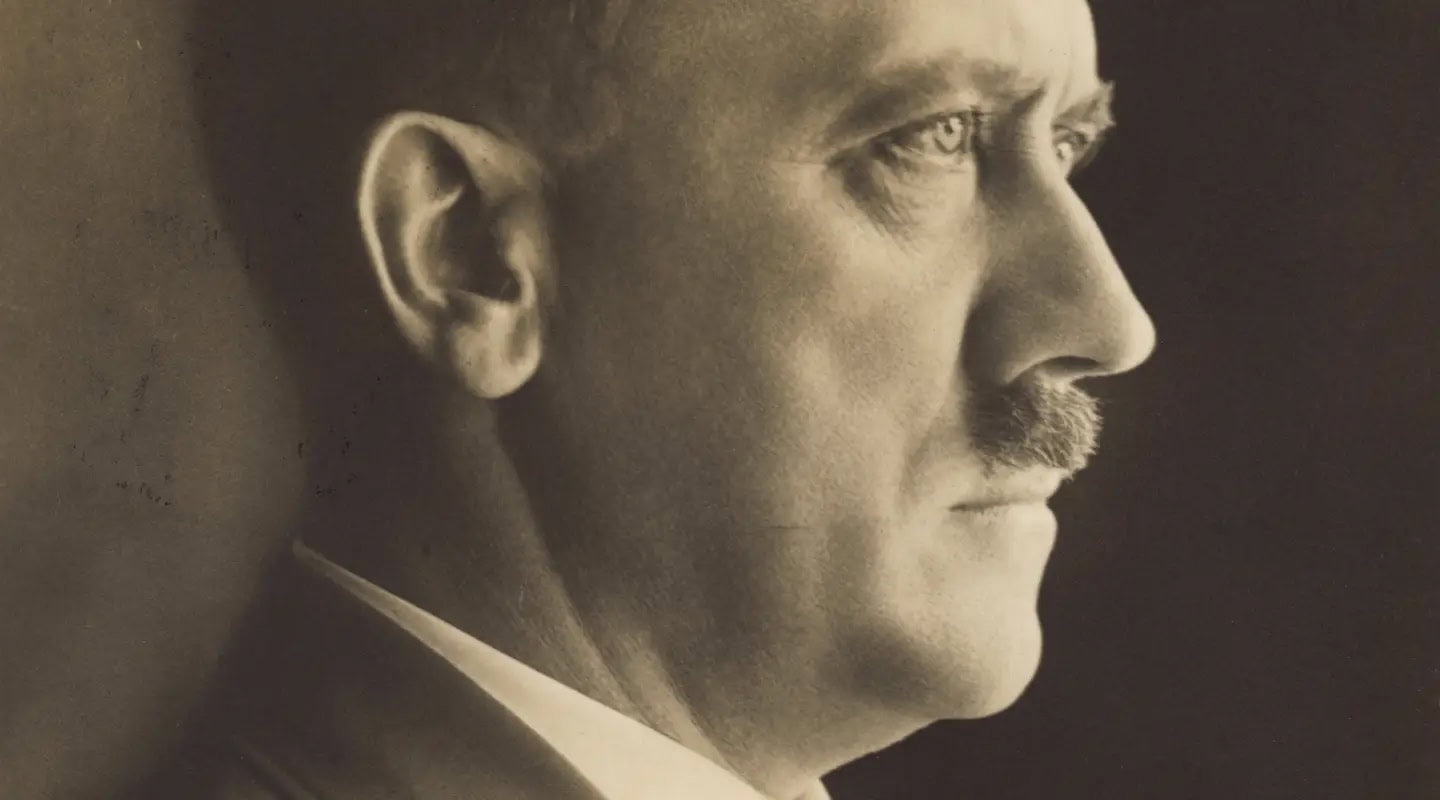
A new documentary from the British channel Channel 4, titled “Hitler’s DNA: The Blueprint of a Dictator,” revealed that Adolf Hitler suffered from a rare genetic condition known as Kallmann Syndrome, which interferes with the development of sexual organs and significantly reduces testosterone production. This information was published by the newspaper O Globo , based on the findings presented in the documentary.
According to the program, genetic analysis indicates that the syndrome could explain striking aspects of the Nazi leader’s behavior, such as his notorious discomfort with women and the absence of descendants with Eva Braun, his partner. The condition, according to experts consulted, is also associated with genital anomalies, loss of smell, and low libido—symptoms consistent with historical accounts of Hitler.
The diagnosis was made possible thanks to the study of blood samples collected from a sofa where the dictator committed suicide in 1945. The material, preserved by an American official and recently made available for research, allowed for the complete sequencing of Hitler’s genome. The analysis was conducted by Professor Turi King of the University of Bath, renowned for her work in forensic genetics.
The researcher stated that the material was surprisingly well preserved, which allowed for a detailed reading of the DNA. According to the documentary, the identification of Kallmann Syndrome was made after the detection of specific genetic mutations linked to the hormonal disorder.
Historian Alex Kay, from the University of Potsdam, interviewed in the production, highlighted that the discovery could shed new light on the dictator’s psychological and behavioral traits. “No one has ever been able to explain why Hitler felt so uncomfortable around women throughout his life,” Kay observed, reinforcing that the genetic explanation supports old theories about the Nazi leader’s impotence—even those satirized in popular songs during World War II.
Kallmann syndrome is a rare, usually inherited condition that affects sexual development and the production of reproductive hormones. People with the disorder tend to have delayed or incomplete puberty, as well as fertility difficulties. Although treatable today, the disease was unknown in the 1930s and 1940s, the period when Hitler rose to power.
For the researchers, the new findings reinforce the importance of forensic genetics in reinterpreting historical figures and their motivations. The team responsible for the study stated that they intend to publish the results in a scientific journal in the coming weeks, detailing the genome mapping and its medical and historical implications.
Source: brasil247.com