



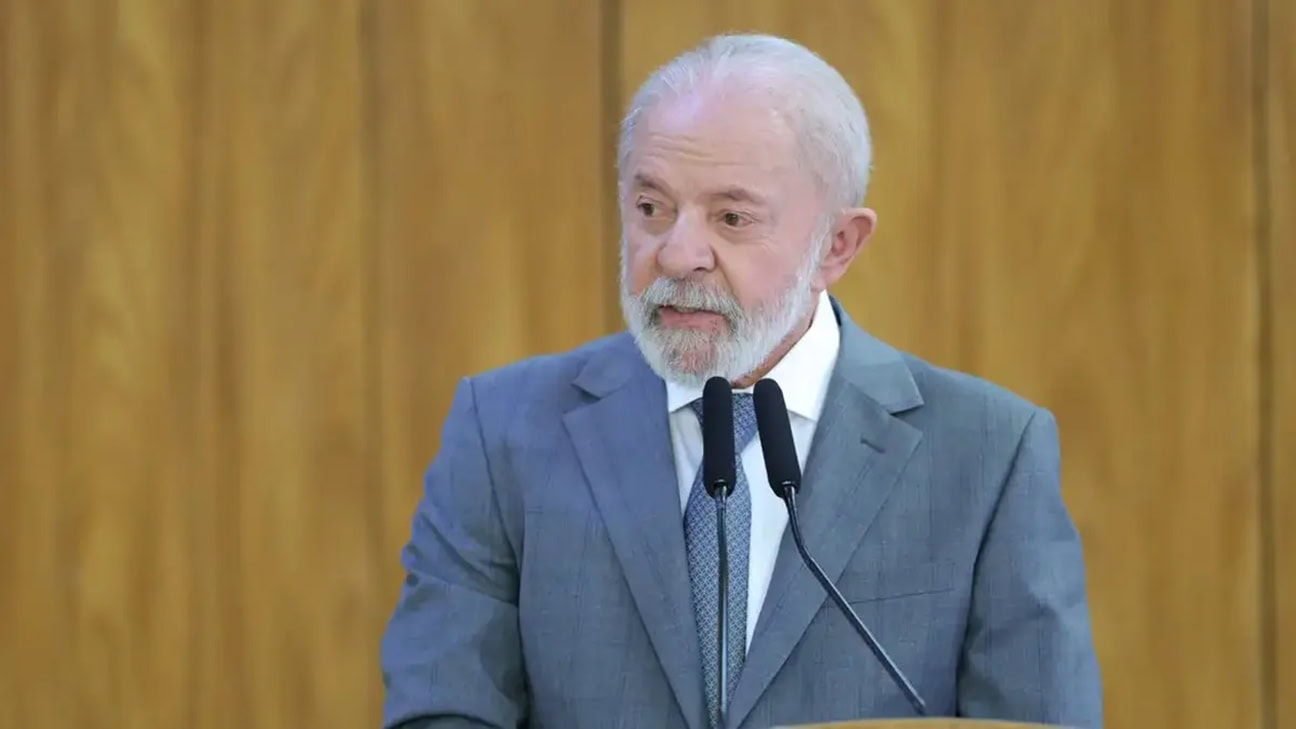
President Luiz Inácio Lula da Silva signed the decree regulating the Trade Reciprocity Law on Monday (14). This information was confirmed by the Chief of Staff, Rui Costa, in a statement to the press after an event at the Planalto Palace.
The decree’s content will be published in a regular edition of the Official Gazette (DOU).
The law authorizes the Brazilian government to adopt trade measures against countries that impose unilateral barriers to Brazilian products in the global market. The measure could be used to respond to the imposition of a 50% tariff on all Brazilian exports to the United States (US), starting August 1st, as announced last week by US President Donald Trump.
According to Rui Costa, the decree does not explicitly mention any country and establishes the necessary mechanisms to enforce the law.
“The term ‘reciprocity’ could also respond quickly if another country takes measures similar to those announced by the United States,” he explained.
Background
Approved in March by the National Congress and signed into law in April, the new law is a precise response to the escalation of the trade war initiated by Donald Trump against dozens of countries.
In the case of Brazil, the tariff initially imposed by the US was 10% on all products exported to the North American market. The exception to this tariff range is steel and aluminum, for which the US-imposed surcharge is 25%, significantly affecting Brazilian companies, which are the third-largest exporters of these metals to the United States.
The Trade Reciprocity Law establishes criteria for responses to unilateral actions, policies, or practices by a country or economic bloc that “negatively impact Brazil’s international competitiveness.”
The law will apply to countries or blocs that “interfere with Brazil’s legitimate and sovereign choices.”
Article 3 of the text, for example, authorizes the Strategic Council of the Foreign Trade Chamber (Camex), which is linked to the Executive Branch, to “adopt countermeasures in the form of restrictions on imports of goods and services,” and provides for negotiation measures between the parties before any decision is made.
Emergency Committee
To discuss how to respond to the US tariffs, the government established an interministerial working committee, which includes participation from various business sectors, including industry and agribusiness.
The committee’s first meetings will take place this Tuesday (15), under the leadership of Vice President Geraldo Alckmin.
Source: Agência Brasil