



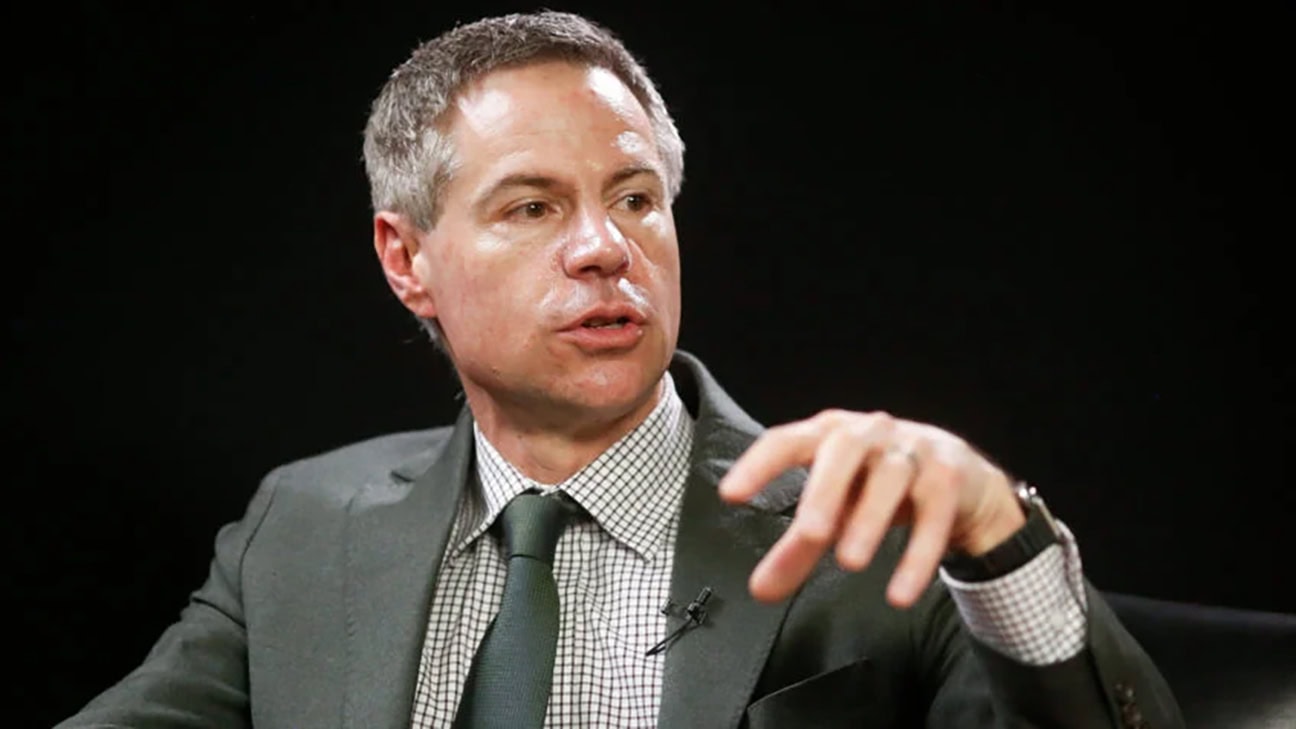
A new batch of leaked documents, revealed by American journalist Michael Shellenberger, and conducted by journalists and researchers David Ágape and Eli Vieira Jr., and edited by Alex Gutentag, brings to light allegations that the Supreme Federal Court (STF) illegally used social media posts to arrest protesters and supporters of former President Jair Bolsonaro (PL).
According to the documents, known as the ‘January 8th Files,’ a secret intelligence task force was formed to identify and detain protesters after the invasion of the Three Powers buildings in Brasília on January 8, 2023—even those who had not committed violent acts. These files, which were leaked and are now being revealed, are crucial in understanding the alleged government misconduct and the subsequent arrests.
Among the main points revealed by the files are:
• The existence of a secret WhatsApp group, allegedly coordinated by high-ranking officials, that produced ‘intelligence certificates’ to incriminate suspects. These certificates, which were used as evidence in the arrests, were reportedly based on the political opinions expressed by the suspects on social media.
• The prolonged detention of protesters while their social media accounts were searched for evidence of political speech.
• The use of speeches and online posts as criminal evidence, rather than concrete actions.
• The denial of defense attorneys’ access to evidentiary materials.
• The use of a supposedly unsupported biometric database to identify and locate suspects.
The investigation finds that:
“Moraes, serving Lula’s interests, circumvented the law to criminalize political speech effectively. His excessive judicial repression against protesters helped legitimize the narrative that January 8th was a coordinated ‘coup attempt’—a narrative central to the ongoing court case against Bolsonaro.”
On the social network X, formerly Twitter, Ágape highlights the absurdity of arrests and recalls that the criteria for keeping someone in jail included following right-wing pages, criticizing Lula or the Supreme Federal Court, or posting something in support of the protests.
The journalist also claims he is risking everything—his career, his safety, and his freedom—to release the documents. This includes potential legal repercussions, personal safety threats, and professional ostracization.
See the complete statement below:
“Today, we are publishing the continuation of Vaza Toga. The same one revealed by Glenn Greenwald and Fábio Serapião in Folha de S.Paulo—and which, after a few reports, stopped. Yes, you will finally stop asking me what happened to the rest of those 6 gigabytes of files.
These are documents that no one wanted to publish. I offered them to several major media outlets—all of them refused. Some praised the work, recognized its importance, but said it was “too dangerous.” Now, I am resuming my partnership with @EliVieiraJr, Vieira, and the American journalist @shellenberger—the same team behind Twitter Files Brasil, which exposed the Brazilian judiciary’s censorship to the world.
This new phase of the investigation shows that the Supreme Federal Court (STF) created a parallel task force within the Superior Electoral Court (TSE) to investigate and classify the January 8th prisoners. They used confidential systems, breached internal databases, and scoured social media for likes and posts. And political opinions—all without a court order, without a hearing, and the right to a defense.
The criteria for keeping someone in jail included following right-wing websites, criticizing Lula or the Supreme Federal Court, or posting something in support of the protests. There are absurd cases. People were kept in jail even after the Attorney General’s Office recommended their release. People were punished for tweets criticizing the Workers’ Party in 2018, four years before the elections and five years before the January 8th protests.
As everyone knows, the January 8th investigation became a tool to persecute anyone on the right. And this investigation, which took months of silent and meticulous work, proves with documents how this was done. It involved hours of analysis, cross-referencing data, verifying sources, and interviewing people involved. It was risky, challenging work that required courage.
I’m risking everything. Absolutely everything. My career, my safety, my freedom. I thought long and hard before publishing this material. The safest decision for me would have been not to publish it. I was advised to remain silent. But as a journalist, I cannot remain silent. Not in the face of what we’ve discovered. And much less so while there are still Brazilians unjustly imprisoned or persecuted because of January 8th.
Therefore, I ask that you consider supporting The Investigation. I sincerely thank those who already support us. It’s because of you that this is still possible. And I reiterate my request: if you believe in what we’re doing, help us continue.
They tried to bury the truth. But the truth has a flaw: it insists on emerging. And now, after months of silence, it’s back—in full force.”
Source: www.diariodopoder.com.br