



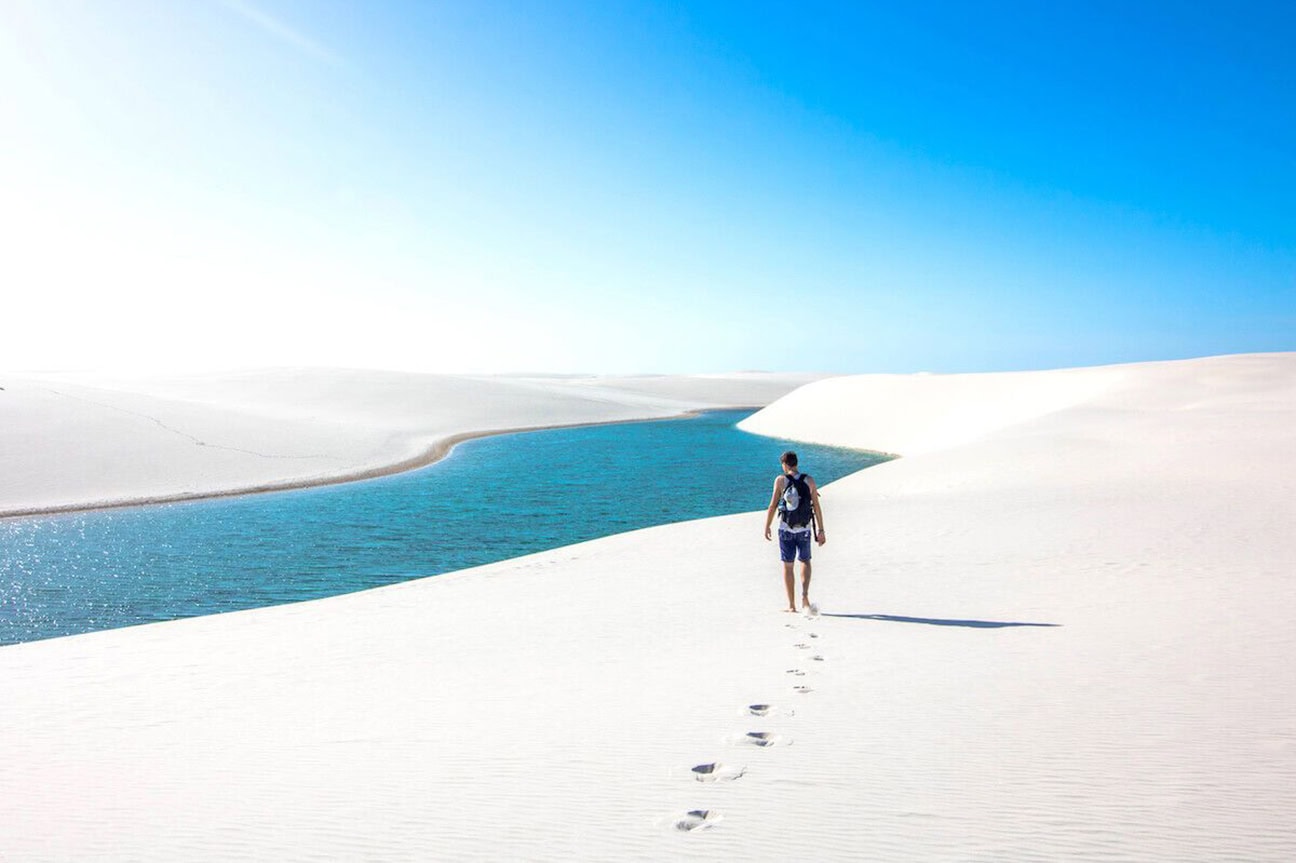
The Lençóis Maranhenses National Park, in Maranhão, has been named the top ecotourism destination in Brazil to visit in 2026. This recognition reinforces the country’s position as a powerhouse in nature tourism and highlights the leading role of areas that combine environmental preservation, authentic experiences, and benefits to local communities.
The information comes from the Ministry of Tourism, based on a survey by the PlanetaEXO platform, which specializes in sustainable experiences and travel. The survey placed Lençóis Maranhenses at the top of a list that includes 15 destinations distributed across different Brazilian biomes.
Following in the ranking are the Amazon region, particularly the states of Amazonas and Pará, and the municipality of Barra do Garças in Mato Grosso. This trio leads the preferences of travelers interested in nature, adventure, and responsible tourism practices, according to the platform’s analysis.
Considered the largest dune field in South America, the Lençóis Maranhenses National Park is remarkable for its unique landscape formed by extensive stretches of white sand and thousands of lagoons with crystal-clear waters, which appear and renew themselves according to the rainfall regime. The scenery offers ideal conditions for hiking, trekking, and contemplative walks, providing visitors with a deep immersion in nature and an experience marked by tranquility.
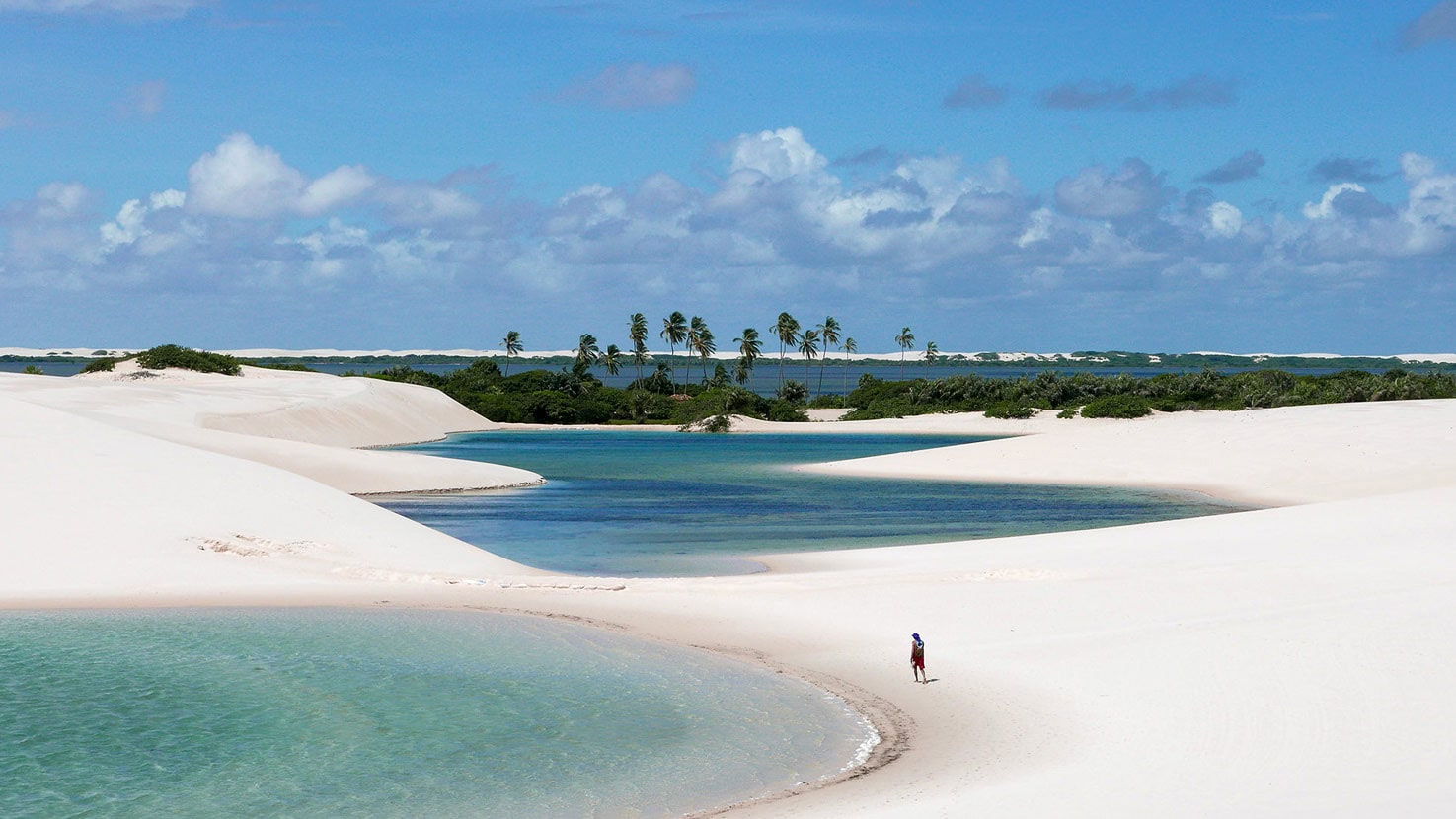 PlanetaEXO’s selection values outdoor experiences, such as hiking, wildlife observation, and immersive experiences in natural territories. The proposal encourages longer trips, greater connection with destinations, and positive impacts on local populations, consolidating ecotourism as a driver of sustainable development in the country.
The announcement comes at a strategic moment for the Brazilian tourism sector. In 2025, Brazil will receive 9.2 million foreign tourists, the highest number ever recorded, which strengthens the country’s international visibility and expands the role of natural destinations in tourism growth.
The prestige of Lençóis Maranhenses was further reinforced in July 2024, when the park received the title of Natural World Heritage Site, granted by the United Nations Educational, Scientific and Cultural Organization (UNESCO). Among the criteria considered are the exceptional beauty of the area and the fact that it is a unique natural phenomenon in the world.
In addition to the Lençóis Maranhenses, Brazil has seven other areas recognized as Natural World Heritage Sites by UNESCO: the Pantanal (MT/MS), Central Amazon (AM), Discovery Coast (BA/ES), the Atlantic Islands complex (Fernando de Noronha and Atol das Rocas), Iguaçu National Park (PR), Ribeira Valley (PR/SP), and the group formed by Chapada dos Veadeiros and Emas National Park (GO).
The complete list compiled by PlanetaEXO also includes destinations such as Chapada Diamantina (BA), Jalapão and Serras Gerais (TO), Cambará do Sul (RS), Serra da Capivara (PI), Abrolhos (BA) and Fernando de Noronha (PE), reinforcing the diversity of landscapes and biomes that support Brazilian ecotourism.
Source: brasil247.com