



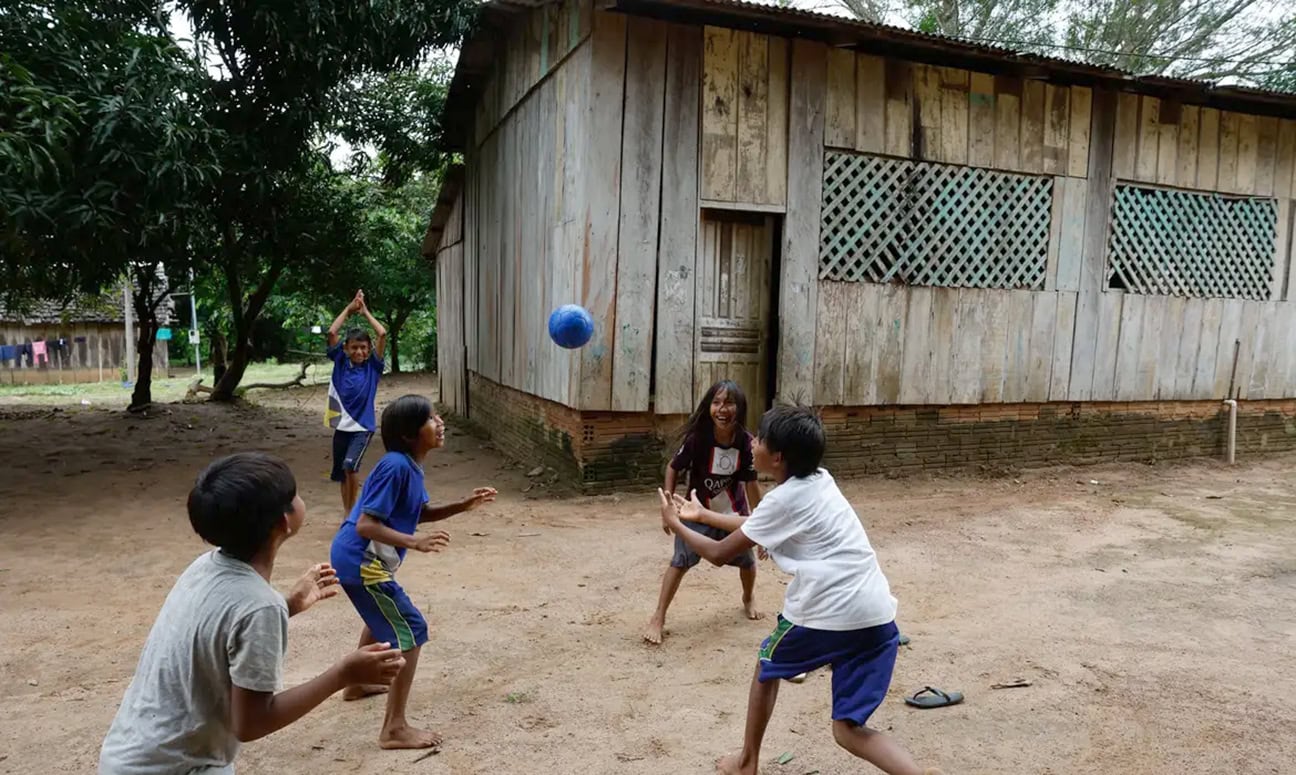
A new report by the United Nations Children’s Fund (UNICEF) warns that children and adolescents may suffer disproportionately from the impacts of El Niño in 2026 and 2027. The phenomenon is reaching Brazil, where more than 30 million children and adolescents – six of every ten – are already exposed to two or more climate risks. Of these, 16 million face three or more risks.
According to the study, recent events show how extreme weather can disrupt right enforcement. In 2024, floods in the Southern state of Rio Grande do Sul impacted the education of 741,000 students, while the extreme drought in the Amazon affected another 436,000. In total, 1.17 million children and adolescents had their classes interrupted.
El Niño is part of a natural cycle in the temperatures of the equatorial Pacific Ocean, characterized by higher ocean temperatures that influence rainfall and temperature patterns in different parts of the planet.
Climate change and environmental degradation caused by human activity have led to the consequences of El Niño becoming more severe with each cycle. Impacts are linked to other meteorological phenomena, environmental conditions, existing vulnerabilities, and the capacity of public services to prepare for and respond to them. It occurs every two to seven years on average.
“Preparing Brazil, therefore, does not just mean getting through the 2026–2027 cycle, but building a safety net capable of responding to future El Niño events and other extreme events, with children, families, and essential services better protected than in the past,” says UNICEF.
In Brazil, the warning takes on greater urgency in light of the most recent forecasts. A bulletin released on September 1 by official agencies indicates a more than 90 percent probability that the phenomenon will reach very strong intensity from September to November.
For this time span, rainfall is expected to be below average across much of the North and Northeast and above average, especially in the South, in addition to above-average temperatures throughout virtually the entire country. Heat and drought may also prolong conditions conducive to wildfires in areas of the central and northern regions of the country.
Danilo Moura, a climate and environment specialist at UNICEF in Brazil, explains that meteorological data show where it may rain more or less and where heat or drought may intensify. UNICEF’s role, he says, is to examine what happens when these extremes affect a child’s life. A drought can mean a lack of safe water, smoke, or difficulty getting to school or a health clinic.
“A flood can mean school closures, interrupted vaccinations, or loss of family income. And many of these impacts can be mitigated if preparations are made before an emergency strikes,” he added.
Children face an additional vulnerability. Because they are still developing, they are particularly sensitive to extreme heat, dehydration, smoke, malnutrition, and diseases exacerbated by changes in temperature and rainfall patterns. At the same time, they depend on adults and public services for access to water, food, school, health care, and protection.
For this reason, El Niño can trigger a chain of impacts that goes far beyond climate anomalies – impacts that can affect children and adolescents in various ways:
• Health – Extreme heat can increase the risk of dehydration and other health problems. Droughts and floods can compromise water availability and quality, contribute to the spread of diarrheal diseases, and hinder access to health care facilities. Changes in temperature and humidity can also influence the transmission of diseases such as dengue by creating conditions favorable to the proliferation of the Aedes aegypti mosquito. Preparedness measures include strengthening epidemiological surveillance, with a specific focus on diseases affecting children, ensuring the continuity of services such as vaccination and the work of family health teams, and pre-positioning essential medicines and supplies.
• Food and nutrition – Agricultural losses, reduced income, and rising food prices can exacerbate food insecurity and malnutrition. These effects are not always immediate and may appear months after a poor harvest. Preparedness includes strengthening nutritional monitoring and surveillance, expanding early detection, and ensuring that health services – including those in remote or isolated areas – have the capacity to identify and treat children with malnutrition. Ensuring the availability of essential nutritional supplies before demand increases is also crucial, with a focus on remote municipalities that may become isolated during emergencies.
• Water and sanitation – Droughts can reduce the availability of safe water, while floods can contaminate water sources and damage sanitation systems. Protecting and monitoring water sources, preparing contingency plans to ensure the continued operation of water systems during extreme events, and securing supplies for water treatment are among the measures that can be taken in advance. In the face of extreme drought risks, implementing community-based water storage strategies is essential.
• Education – Water shortages, loss of navigability, extreme heat, smoke, flooding, or damage to infrastructure can disrupt classes, school meals, and other services. Educational networks can review risk management plans and prepare alternatives to ensure the continuity of learning, such as through home-based learning.
• Protection and income – Loss of housing, employment, or production reduces families’ ability to meet their basic needs. Social protection systems prepared for shocks can maintain or expand benefits and quickly connect affected families to essential services. Municipalities can update their registries of vulnerable families in at-risk areas before disasters strike.
According to the UNICEF expert, waiting for schools to close, health clinics to become isolated, or communities to lose access to water before taking action means it is already too late. “We already know that a strong El Niño is underway, and we understand the impacts that can affect different regions. Preparing services now costs less, allows for a faster response, and, most importantly, prevents the climate emergency from becoming an emergency for children,” Moura stated.
Source: Agência Brasil